Kilimanjaro and Safari Package
11 days / 10 nights
Arrival in Kilimanjaro
Upon arrival at Kilimanjaro airport you will be met by our representative and taken to Keys Hotel. It is a family run hotel located on the slopes of Mount Kilimanjaro, with comfortable accommodation, variety of meals, clean swimming pool and friendly services. Located just ten minutes walking distance to Moshi town center, palatable meal and luxurious accommodation; Keys Hotel is the most spectacular place one will always wish to stay,
Keys Hotel - 2700 ft (BB).
Machame Gate (1,800 m/5,380 ft) – Machame Camp (2,980 m/9,780 ft)
Walking distance: 11 km/7 miles
Walking time: 5-7 hours
Altitude gain: 1,490 m/4,890 ft
After breakfast, we will depart from our hotel at approximately 8:30 AM for the Machame village with a Lunch box for you to bite on your trek. From the park entrance gate (Machame), you will walk for about two to three hours trek through a dense forest of fig and rubber trees, begonia flowers, and other tropical vegetation. A stop for lunch will be made halfway to this evening's campsite. As you continue your ascent, you will find that the tropical forest has given way to tall grasses and giant heather. You will be walking on a ridge, to the left of which is the Semira stream, and on the right, the Weru. Depending on the pace of the climbers, arrival at Machame Camp is usually between 5:00 PM and 6:00 PM. Your camp is set up near some old metals huts, which were once used for shelter. This initial stage of the climb is tranquil and relatively easy. There is no point in rushing to get to the camp, as there is little to do there. Guides tend to recommend a slow ascent, even at this point, for gradual acclimatization. Do not try to keep up with your porters, who will usually bound ahead. Instead, take time to admire the beauty of the mountain forest.
Overnight: Machame Camp (FB)
Machame Camp (2,980 m/9,780 ft) – New Shira Camp (3,840 m/12,600 ft)
Walking distance: 9 km/5.5 miles
Walking time: 4-6 hours
Altitude gain: 860 m/2,820 ft
On this and subsequent mornings, wake-up call is at around 6:00 AM. You will be greeted with a steaming cup of tea or coffee, and weather permitting, by a fabulous view of Uhuru peak. Today's trek takes you up a steep track through a savannah of tall grasses, volcanic rock, and bearded heather. You will encounter giant groundsels as you hike through a ghostly landscape of volcanic lava, caves, and foamy streams. Lunch will be taken just below the Shira Plateau, about three to four hours from Shira Camp. The hike to the next campsite takes approximately six hours and you should arrive between 2:00 PM and 3:00 PM. Most climbers tend to pace themselves, walking slowly and resting about every half-hour. On arrival in camp, there is time to relax and even so for an acclimatization hike with your guides before dinner.
Overnight: Shira Camp (FB)
Shira Camp (3,840 m/12,600 ft) – Lava Tower (4,630 m/15,190 ft) – Barranco Camp (3,950 m/12,960 ft)
Walking distance: 15 km/9.3 miles
Walking time: 7-9 hours
Altitude gain: 10 m/360 ft (680 m/2,230 ft to Lava Tower)
The entire Shira Plateau greets you this morning with sweeping vistas across to Meru and the Shira Needles. A steady walk takes you up to the pass at Lava Tower (15,000 ft), where you stop to have lunch. Crossing the Bastain stream, you will begin to descend towards Barranco Camp. Descending takes you along an immense canyon called the Great Barranco. Along the way, you will see numerous waterfalls, which are fed, by streams coming from the mountain, converging here to form the Umbwe River. Your camp is set at almost the same altitude as the night before. Today is a full day trek and you will feel very tired. Arrival at camp is between 4:30PM and 5:30PM.
Overnight: Barranco Camp (FB)
Barranco Camp (3,950 m/12,960 ft) – Karanga Camp (4,040 m/13,255 ft)
Walking distance: 5.8 km/3.4 miles
Walking time: 4-5 hours
Altitude gain: 55 m/185 ft
This morning you begin your hike to Karanga Camp, which is on the same altitude as Barranco Camp. You will encounter a bit of a climb at Barranco wall and spend the rest of the trek climbing up and down the slopes of the mountain most of the way to camp. Climbing is not considered difficult and you should arrive in time for lunch (approximately 1:00PM) having trekked for about four – five hours. In the afternoon you will have an opportunity to hike in the Karanga Valley where giant senecios and lobelia grows. However, you are well advised to rest as much as you possibly can to prepare you for the climb ahead.
Overnight: Karanga Camp (FB)
Karanga Camp (4,040 m/13,255 ft) – Barafu Camp (4,550 m/14,930 ft)
Walking distance: 3.5 km/ 2.2 miles
Walking time: 4-5 hours
Altitude gain: 510 m/1,675 ft
The scenic climb to Barafu is mostly on a moraine and lava ridge with a view of Mawenzi peak towering majestically to the right, and overhead, Kibo peak seemingly just out of reach. The alpine desert terrain encountered at this point is mostly a mineral environment with few lichens and mosses. Lunch is taken in camp and in the afternoon there is a summit clothing check. Climbers who choose to ascend the peak will go to bed very early this night, as the next day is the longest one.
Overnight: Barafu Camp (FB)
Barafu Camp (4,550 m/14,930 ft) – Summit via Stella Point (5,752 m/18,871 ft) to Uhuru Peak (5,895 m/19,340 ft) and descending to Millennium Camp (3,820 m/12,530 ft) or to Mweka Camp (3,100 m/10,170 ft)
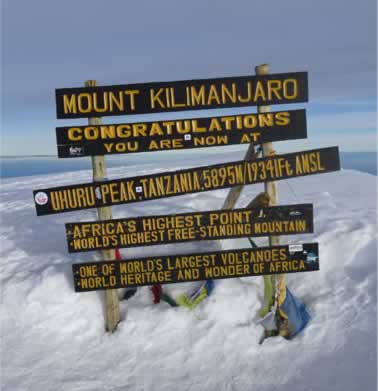
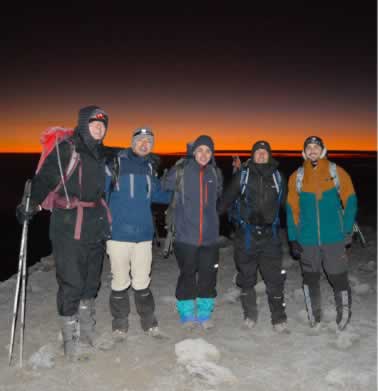
You will be awakened at midnight and after a light breakfast, start climbing at around 12 midnight. It is at this stage that the climb becomes much more tough. Climbers should carry as little as possible on this portion of the climb. Temperatures will range from -4° to -5° Fahrenheit. You will climb for about six hours before reaching the edge of the crater, Stella points. Another hour of climbing brings you to the summit. Uhuru stands at 19,340 feet and is the highest point on the continent of Africa. The track around the edge of the crater is rocky and often icy. Concentrate on your feet, and follow your guide very closely for this portion of the journey. The descent is no easier than the ascent. You will reach Barafu camp after about three hours (around 11:30 AM). Climbers will be given the opportunity to rest and have some refreshments before continuing on to Mweka Camp for the night. Arriving into camp at around 5:00PM, you will have trekked a total of thirteen to seventeen hours today.
Overnight: Mweka Camp (FB)
Mweka Camp (3,100 m/10,170 ft) – Mweka Gate (1,980 m/6,500 ft) BB
Walking distance: About 15 km, 9.3 mile
Walking time: 3-4 hours
Descend: 1,120m/ 3,670ft
On the final day of the journey, climbers descend from Mweka camp to the base. The descent to the gate will take approximately 5 hours and climbers usually arrives before noon. Upon arrival at the gate climbers will be rewarded with certificates attesting their success at climbing Mount Kilimanjaro.
After finishing your climb, you will be taken to Keys Hotel for hot shower, dinner & overnight (BB).
Tarangire National Park
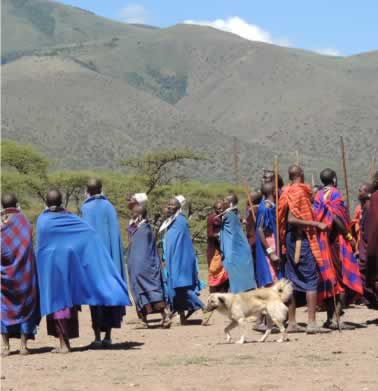
After breakfast at Keys Hotel, depart to Tarangire National Park with your lunch boxes for the Game drive. The driving is along the beautiful Maasai steppe & many villages. Tarangire is one of the best National parks in Northern Tanzania, which runs along the lines of the Tarangire River and contains low-lying hills appearing on the floor of appearing Rift Valley. The vegetation of the park is mainly acacia woodland and huge African Baobab trees with a swamp area on the South.
Tarangire River and the swamps attract a large number of wild animals, as it is the only permanent water source in the entire park.
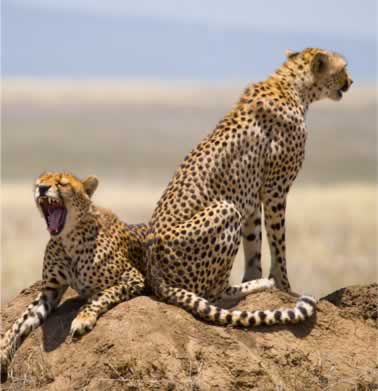
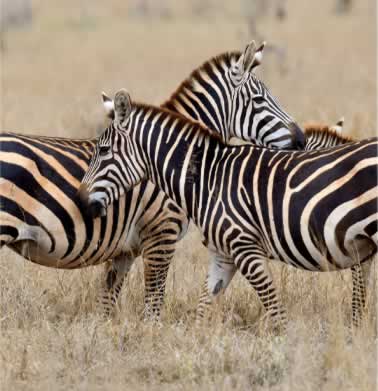
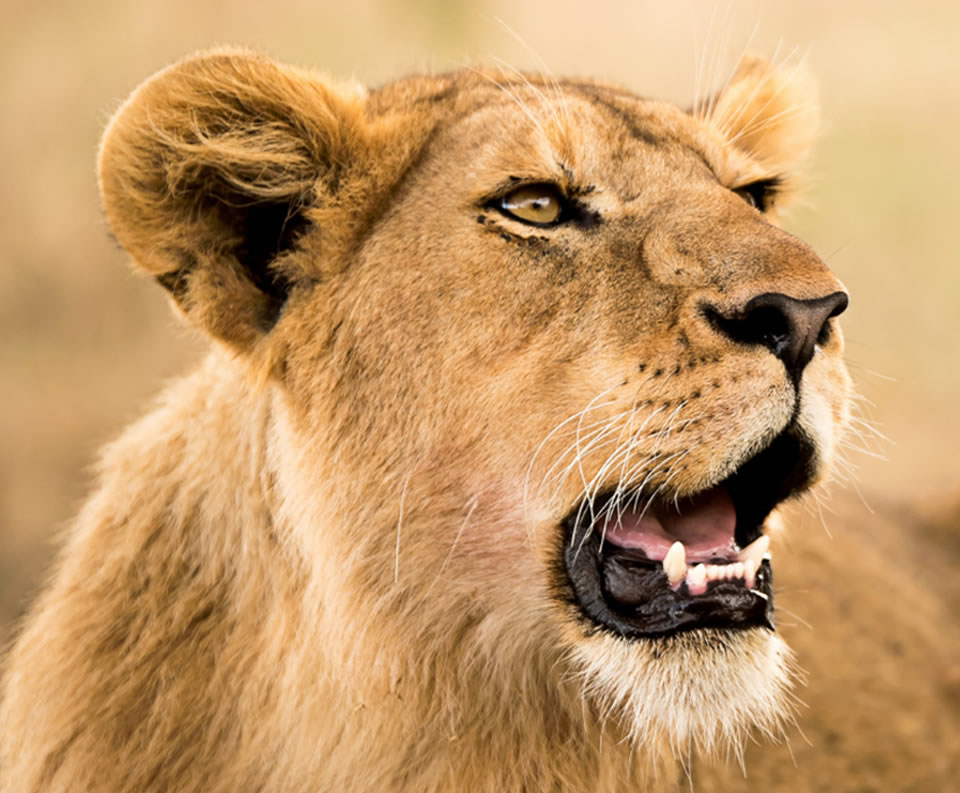
Tarangire National park is famous for its large elephant population found nowhere else in Africa, you may expect to spot giraffes, buffalo, zebra, impala, wildebeest, warthog, baboons & many monkeys. The three rare species of Greater Kudu, Fringed-Eared Oryx, and the Ash stalling can also be seen here. Lions, leopards, hyenas, jackals, cheetahs, vultures & other birds of prey also inhabit the park.
Kudu Lodge and Campsite offers outstanding hospitality, comfortable accommodation and pleasant surroundings, is situated at Karatu, the heart of the northern Tanzania safari circuit. Kudu Lodge nestles in eleven acres of rolling countryside, amidst mature trees and gardens, home to myriad birds and a tranquil and shady oasis hideaway for visitors— the perfect base for wildlife safaris.
Dinner and Overnight Kudu Lodge (FB)
Ngorongoro Crater - Moshi
After breakfast, descend down to the crater with lunch boxes for full day game drive.
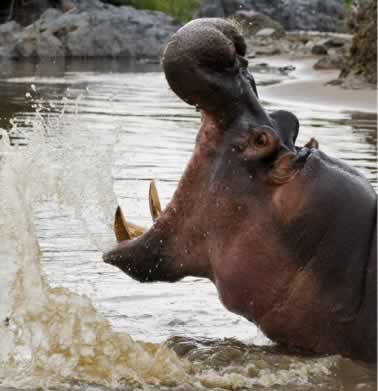
Ngorongoro district in Tanzania, home to the famous Ngorongoro crater and bordering the Serengeti national park, is surely one of the most beautiful landscapes on earth. Animals are free to move here. This free mobility of animals and rich volcanic soil, lush forests and spring source lakes on the crater floor tend to attract tourists throughout the year. The crater is a home to Black Rhino, Cheetah, Lion, Leopard, Elephant, Wildebeest, Zebra and birds like Ostrich, Vultures, Flamingos on the Crater soda lake. Your lunch will be served on the picnic site at Ngoitokitok swamp a Hippo pool, after lunch proceeds with afternoon game viewing while ascending the Crater.
Thereafter we will drive back to Moshi, if you wish you may visit Mto wa Mbu market or any Maasai market on the way before reaching Moshi in late evening.
Dinner and overnight - Keys Hotel Moshi (BB)
Departure.
This is the day of departure you will then be transported to the Airport for your flight back home.
Our Vision
We are creating amazing experiences for all in the nicest possible way. Our joy, is to see our customers served to their maximum satisfaction.
Why Choose Us?

Experience the Best of Tanzania
At Safari Adventures, we specialize in creating custom, boutique safaris that provide the perfect blend of adventure, luxury, and cultural immersion.
Tailor-Made Itineraries
Customized plans to fit your interests, time, and budget.
Luxury and Comfort
Exclusive-use camps with gourmet dining and top-tier amenities. Selection of hotels and lodges ideal to suit our customer’s needs.
Expert Local Guides
Knowledgeable guides with experience.
Special Program for People with Special Needs
We have developed a specific program which is designated to cater for the needs of the people with special needs.
Top-Quality Vehicles
Well-maintained 4×4 vehicles for a safe and comfortable safari experience.
Value for Money
Our itineraries are designed to provide the best experiences at a reasonable cost.
Sustainable tourism
We are glad to be engaged with responsible tourism and we go extra mile to facilitate more impactful responsible, sustainable, exiting and memorable explorations for our customers.
Best Time to Travel for a Tanzania Safari
The ideal time to visit Tanzania is during the Dry season, from late June to October, offering the best wildlife viewing opportunities. The wildebeest migration in the Serengeti typically occurs from July to September, while the calving season is from late January to February. The southern and western circuit parks are best visited during the Dry season (June to October), whereas the northern circuit parks can be enjoyed year-round.
Follow us on Social Media