Lemosho Glades Route
10 days / 9 nights
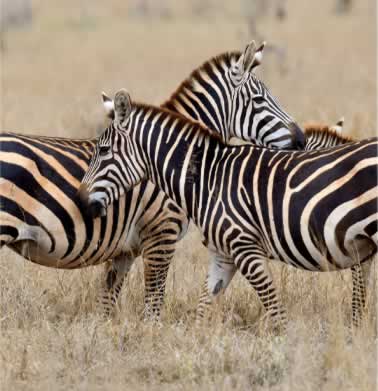
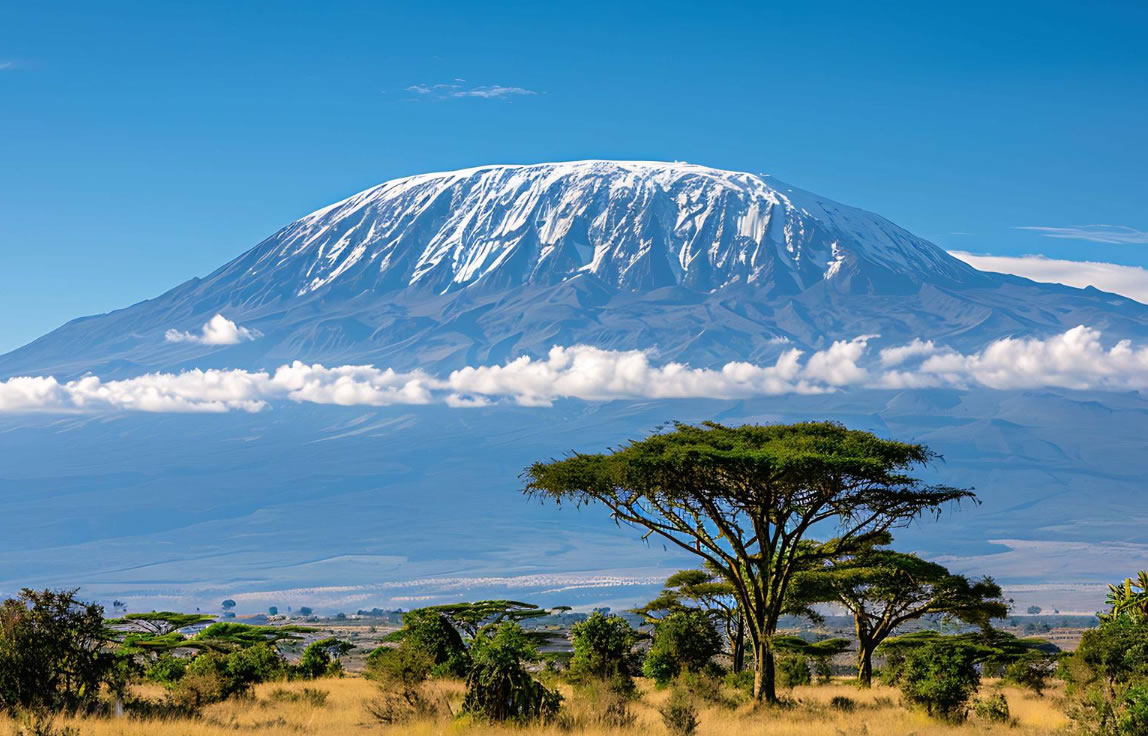
The early stages of the Lemosho route offer the best chance to see wildlife on Mount Kilimanjaro, with monkeys commonly seen in the forest. The Lemosho route is ideal for those who prefer a slightly longer, more relaxed approach to climbing Kilimanjaro.
Upon arrival at Kilimanjaro Airport, you will be met by our representative and taken to the Keys hotel. This family-run hotel is located on the slopes of Mount Kilimanjaro, offering comfortable accommodations, a variety of meals, a clean swimming pool, and friendly service. It is just a ten-minute walk to Moshi town center, providing a perfect blend of palatable meals and luxurious accommodations.
Hotel: 2700 ft (BB)
Lemosho Gate (2,220m/6,825ft) to Mti Mkubwa
• Walking distance: 7 km/ 4.3 miles
• Walking time: 3-4 hours
• Altitude gain: 650 m/2,130 ft
A three-hour drive from Moshi brings you to Lemosho Gate on the western side of Kilimanjaro. After registration, a game ranger will accompany you as you may encounter elephants and buffaloes during your trek. The trek starts at Lemosho Glades through the rain forest. The flora and fauna are richer here than on other routes. Today's trek along the little-used Chamber's Route takes about 3-4 hours to reach Mti Mkubwa (Big Tree) Camp. Dinner and overnight at Mti Mkubwa Camp (FB).
Mti Mkubwa (2,800m/9,100ft) to Shira One Camp
• Walking distance: 8 km/ 5 miles
• Walking time: 5-6 hours
• Altitude gain: 750 m/2,460 ft
After breakfast, continue the climb across the remaining rain forest towards the giant moorland zone, with an altitude gain of 2,000 ft. Lunch is at a beautiful valley just outside the Shira Crater at around 10,000 ft. After lunch, walk to Shira Caldera, a high-altitude desert plateau filled with lava flow from Kibo Peak. You'll get your first close views of Kibo. Dinner and overnight at Shira One Camp (FB).
Shira One Camp (3,505m/11,500ft) to Shira Two Camp
• Walking distance: 7 km/4.3 miles
• Walking time: 4-5 hours
• Altitude gain: 200 m/660 ft
Continue the hike east across the Shira Plateau to Shira Two Camp. The gradual elevation gain of 700 feet allows for slow acclimatization. The views are spectacular. Dinner and overnight at Shira Two Camp (FB).
Shira Two Camp (3,810m/12,500ft) to Barranco Hut
• Walking distance: 10 km/6.2 miles
• Walking time: 6-7 hours
• Altitude gain: 100 m/330 ft – Lava Tower 4600m /15,090ft
Today's trek is about 7 hours, passing Lava Tower and descending to Barranco, a spectacular campsite at the foot of Kibo Peak. Despite a minimal altitude gain, this day is valuable for acclimatization. Dinner and overnight at Barranco Hut (FB).
Barranco Camp (3,950m/13,106ft) to Karanga Camp
• Walking distance: 5 km/3.1 miles
• Walking time: 4-5 hours
• Altitude gain: 200 m/660 ft
After breakfast, acclimatize with a 2-hour hike up the Great Barranco Wall, with potential views of Mt Meru in the distance. Continue to Karanga Camp for lunch. A short acclimatization walk in the afternoon follows. Dinner and overnight at Karanga Camp (FB).
Karanga Camp (3,935m/13,106ft) to Barafu Camp
• Walking distance: 4 km /2.5 miles
• Walking time: 4-5 hours
• Altitude gain: 600 m/1970 ft
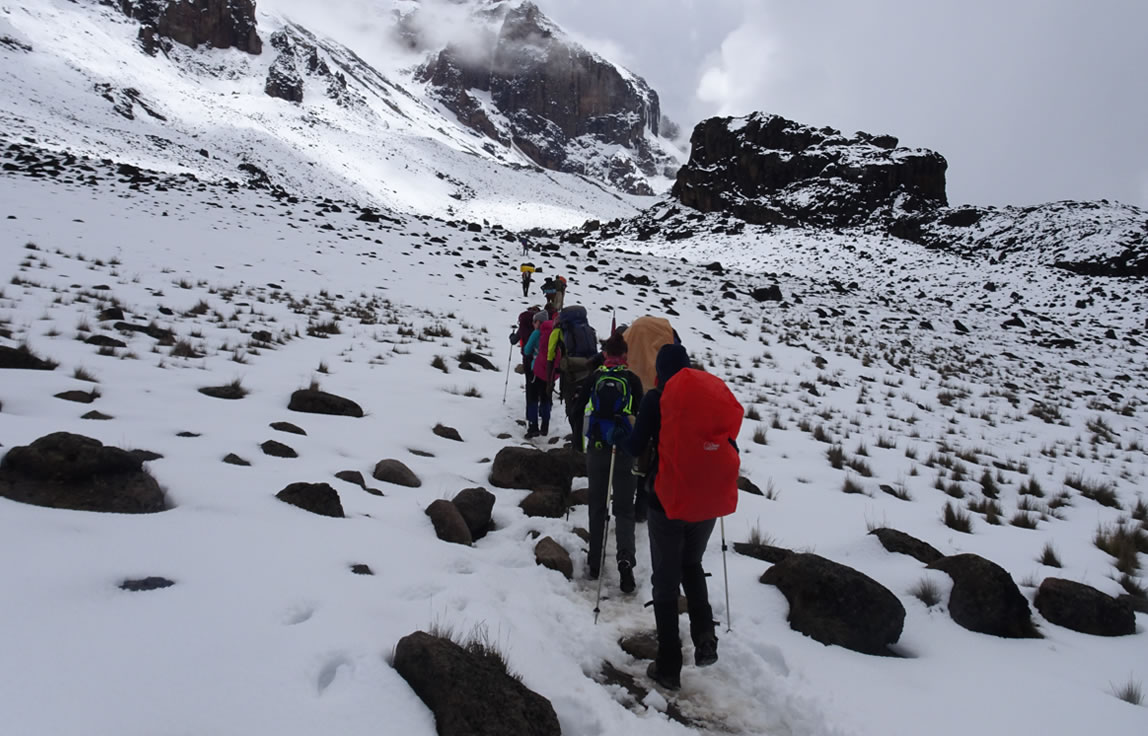
A morning three-hour hike brings you to Barafu Camp, known as Base Camp. After a relatively early dinner, you rest for the night, preparing for the summit bid starting just before midnight. Dinner and overnight at Barafu Camp (FB).
Barafu Hut (4,730/15,331ft) to Uhuru Peak (5895/19,340 ft.) to Mweka Hut
• Walking distance: 17 km /10.6 miles
• Walking time: 15-17hours
• Altitude gain: 1,195 m/3920 ft (Barafu to Uhuru peak) -3,100m/10,170ft (Mweka hut)
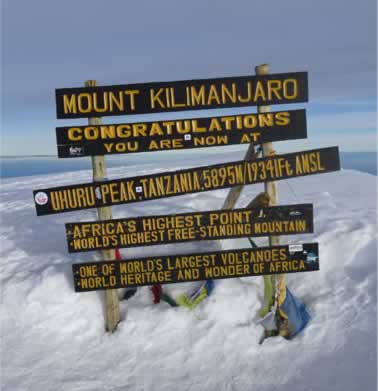
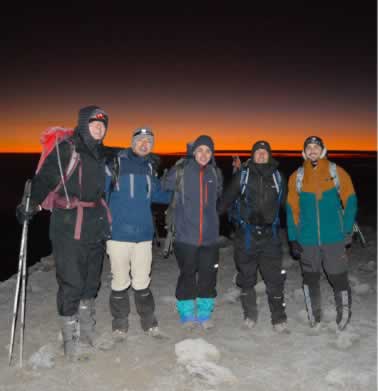
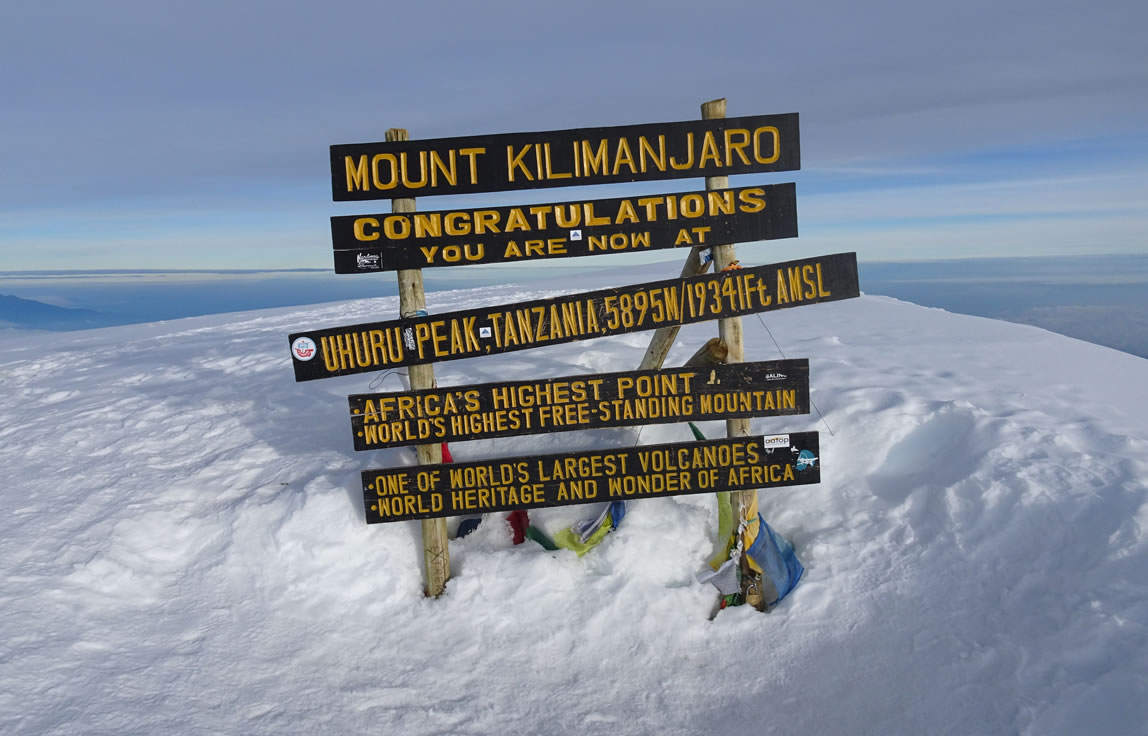
The climb begins around midnight on the steepest and most demanding part of the mountain, reaching Stella Point (5,756m/18,885ft) by sunrise. Continue to Uhuru Peak, the highest point in Africa. After a brief rest at the top, descend to Mweka Hut, taking 15-17 hours for the round trip. Dinner and overnight at Mweka Camp (10,170 ft) (FB).
Mweka Camp (3,100m/12,300ft) to Mweka Gate (1,640m/5,380ft)
• Walking distance: 10 km /6.2 miles
• Walking time: 4-5 hours
• Altitude gain: 1,400 m/4,590 ft
The final descent to Mweka Gate takes about 5 hours, with arrival before noon. Climbers receive certificates for their achievement. After the climb, return to the hotel for a hot shower, dinner, and overnight (BB).
Departure
Frequently Asked Questions
What is the best time of year for trekking?
The best time is during the dry seasons: December to March and June to October.
What is the difficulty level of the trek?
Kilimanjaro is challenging, while Meru is moderate; both require good physical fitness.
What is included in the package price?
Accommodation, meals, park fees, guides, porters, and transportation are typically included.
Do I need a special permit to trek?
Yes, permits are required and are usually included in the package.
What type of accommodation will be provided?
Camping for Kilimanjaro and huts or lodges for Meru.
What should I pack for the trek?
Pack warm clothing, sturdy boots, a sleeping bag, trekking poles, and personal items.
What happens in case of an emergency?
Guides are trained for emergencies, and evacuation procedures are in place.
What fitness level is required for this trek?
A good fitness level with prior trekking experience is recommended.
Can I customize the itinerary?
Yes, itineraries can often be customized to suit your preferences.
Are there any age restrictions for activities?
Generally, the minimum age is 10-12 years, with no strict upper limit, depending on health.
What is your cancellation policy?
Cancellation policies vary, but typically refunds depend on how far in advance the cancellation is made.
Our Vision
We are creating amazing experiences for all in the nicest possible way. Our joy, is to see our customers served to their maximum satisfaction.
Why Choose Us?

Experience the Best of Tanzania
At Safari Adventures, we specialize in creating custom, boutique safaris that provide the perfect blend of adventure, luxury, and cultural immersion.
Tailor-Made Itineraries
Customized plans to fit your interests, time, and budget.
Luxury and Comfort
Exclusive-use camps with gourmet dining and top-tier amenities. Selection of hotels and lodges ideal to suit our customer’s needs.
Expert Local Guides
Knowledgeable guides with experience.
Special Program for People with Special Needs
We have developed a specific program which is designated to cater for the needs of the people with special needs.
Top-Quality Vehicles
Well-maintained 4×4 vehicles for a safe and comfortable safari experience.
Value for Money
Our itineraries are designed to provide the best experiences at a reasonable cost.
Sustainable tourism
We are glad to be engaged with responsible tourism and we go extra mile to facilitate more impactful responsible, sustainable, exiting and memorable explorations for our customers.
Best Time to Travel for a Tanzania Safari
The ideal time to visit Tanzania is during the Dry season, from late June to October, offering the best wildlife viewing opportunities. The wildebeest migration in the Serengeti typically occurs from July to September, while the calving season is from late January to February. The southern and western circuit parks are best visited during the Dry season (June to October), whereas the northern circuit parks can be enjoyed year-round.
Follow us on Social Media